
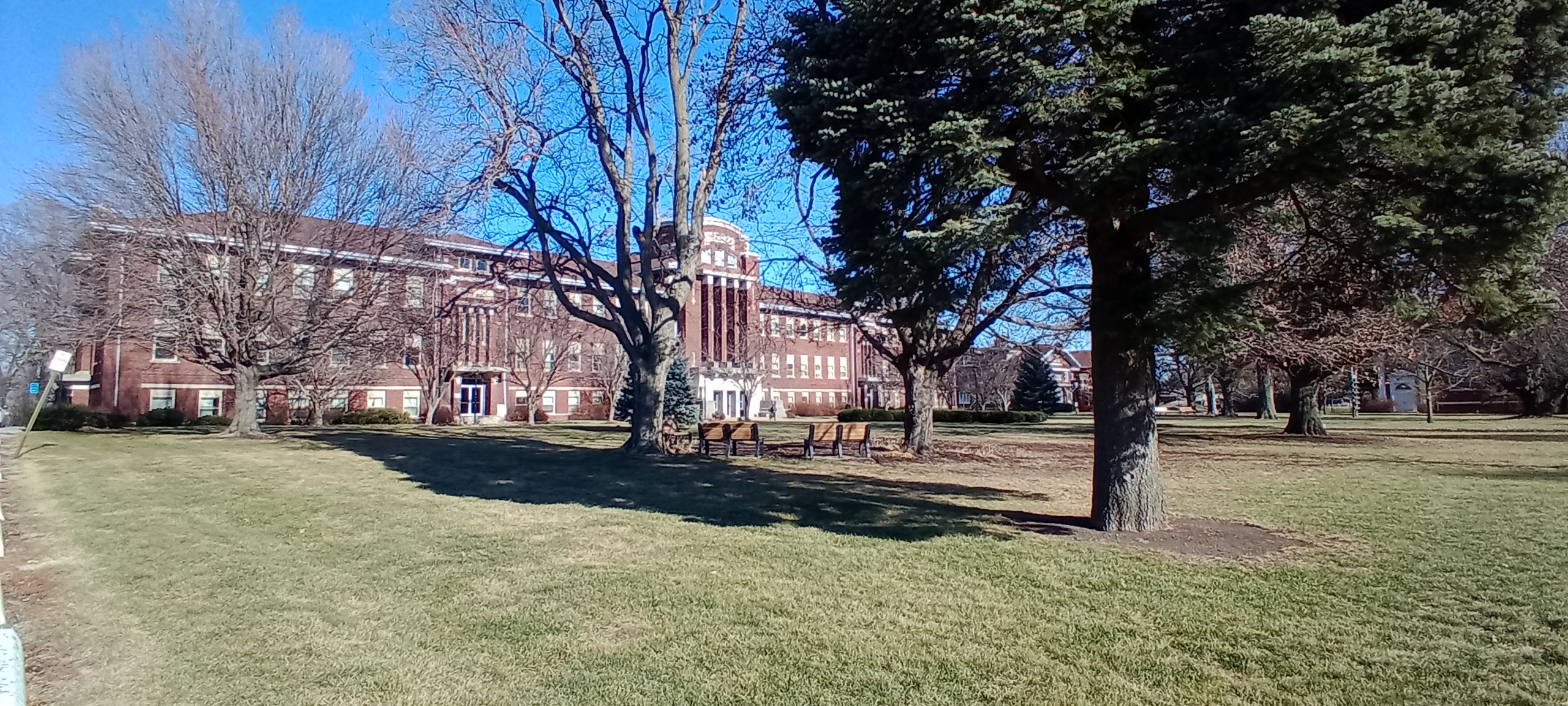
A few days before our departure, our publication interviewed a representative from William Penn University who had traveled to San Antonio, Texas, to discuss outreach efforts and an upcoming visit to the university’s campus. Attending the trip as a representative of both the non-profit newspaper and the mass media group owned by my family. The visit was intended to provide a firsthand understanding of the institution and to share those observations with readers in San Antonio.
The destination was Oskaloosa, Iowa, where the university is located. The purpose of the visit was to better understand the institution’s academic environment, community engagement, and campus culture. Questions naturally arose regarding distance, climate, and what might attract students from South Texas to a university located in the Midwest.
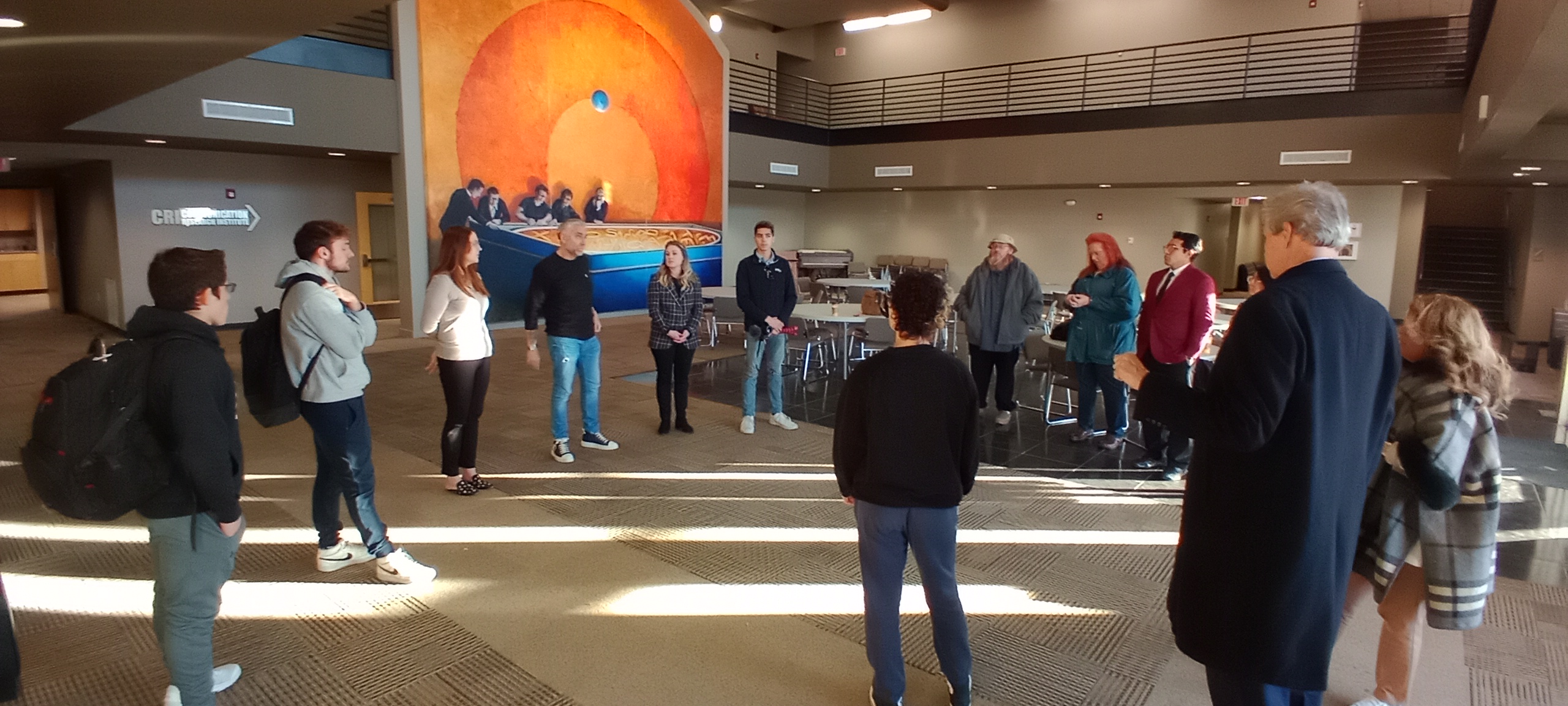
The night before the flight, limited rest contributed to fatigue throughout the following day. Despite this, the visit included meetings and conversations with students, faculty members, cabinet leadership, and individuals from the surrounding community. Informal interviews were conducted throughout the stay, offering insight into daily campus life and institutional practices.
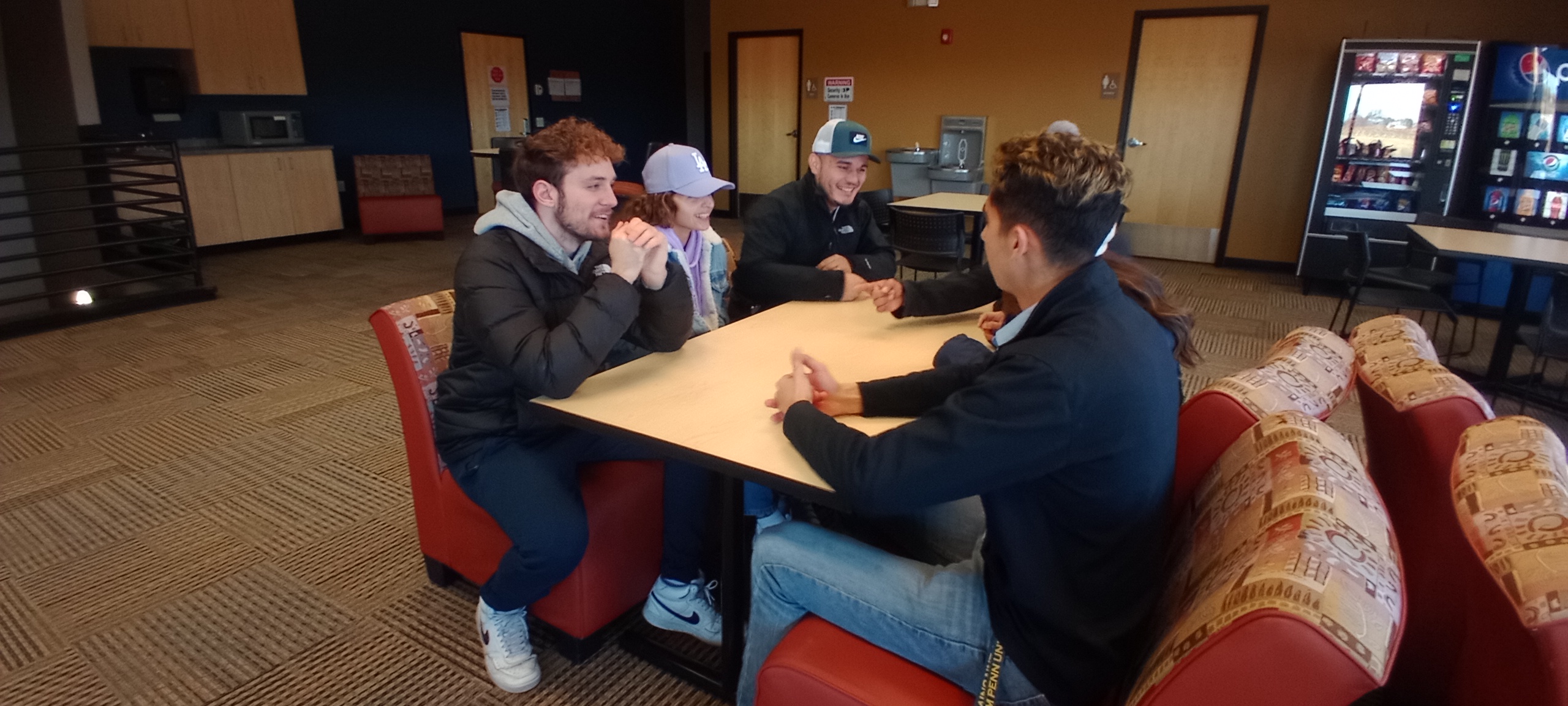
One aspect that stood out during the visit was the interaction between students and faculty. Engagement appeared direct and respectful, with students speaking openly about their academic experiences and the accessibility of their instructors. Several students described the campus as supportive and welcoming. One student, Carla, referred to the university as “a home away from home.” Other students expressed similar sentiments, noting that faculty members often assist students beyond academic instruction when possible.
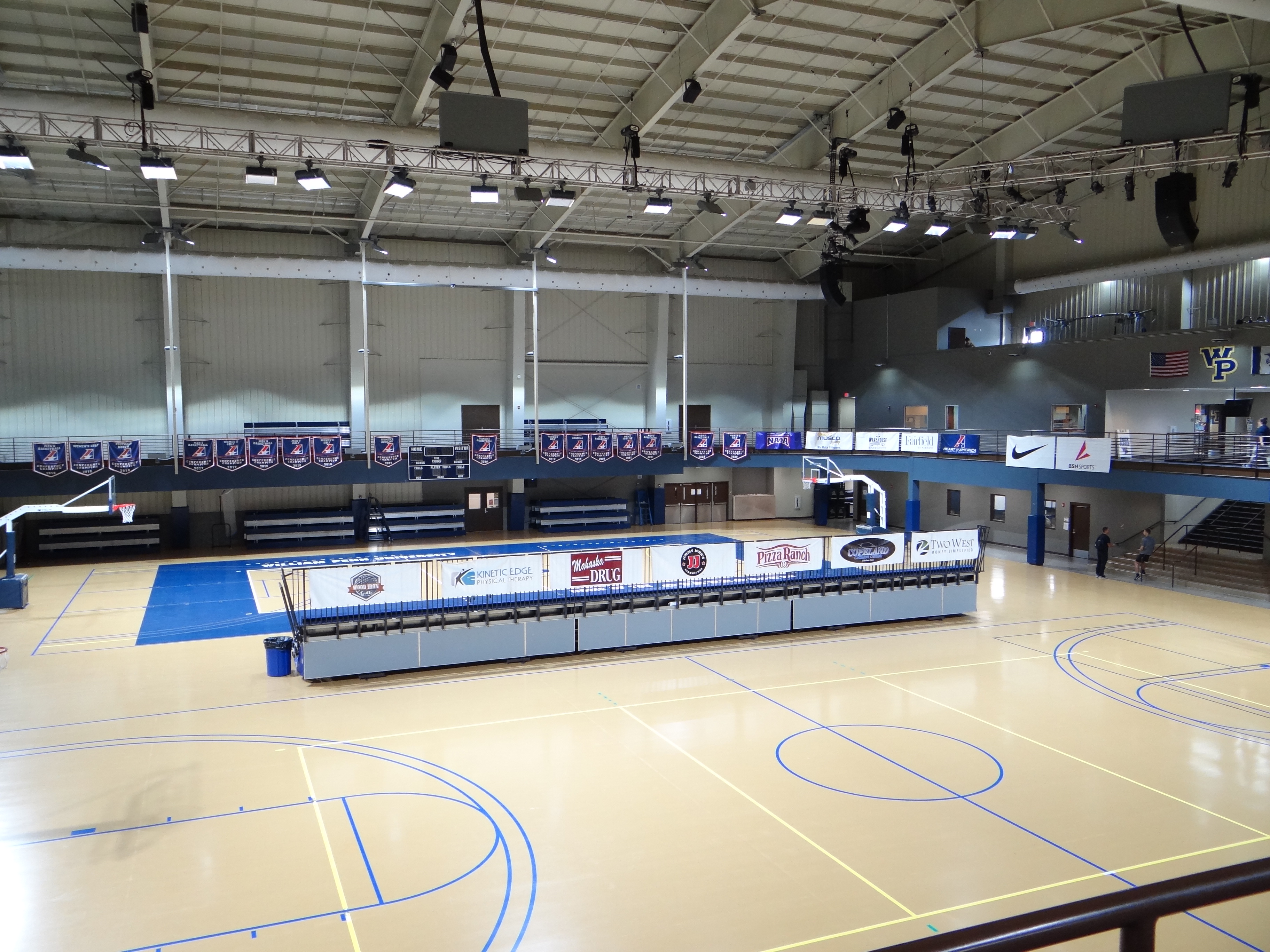

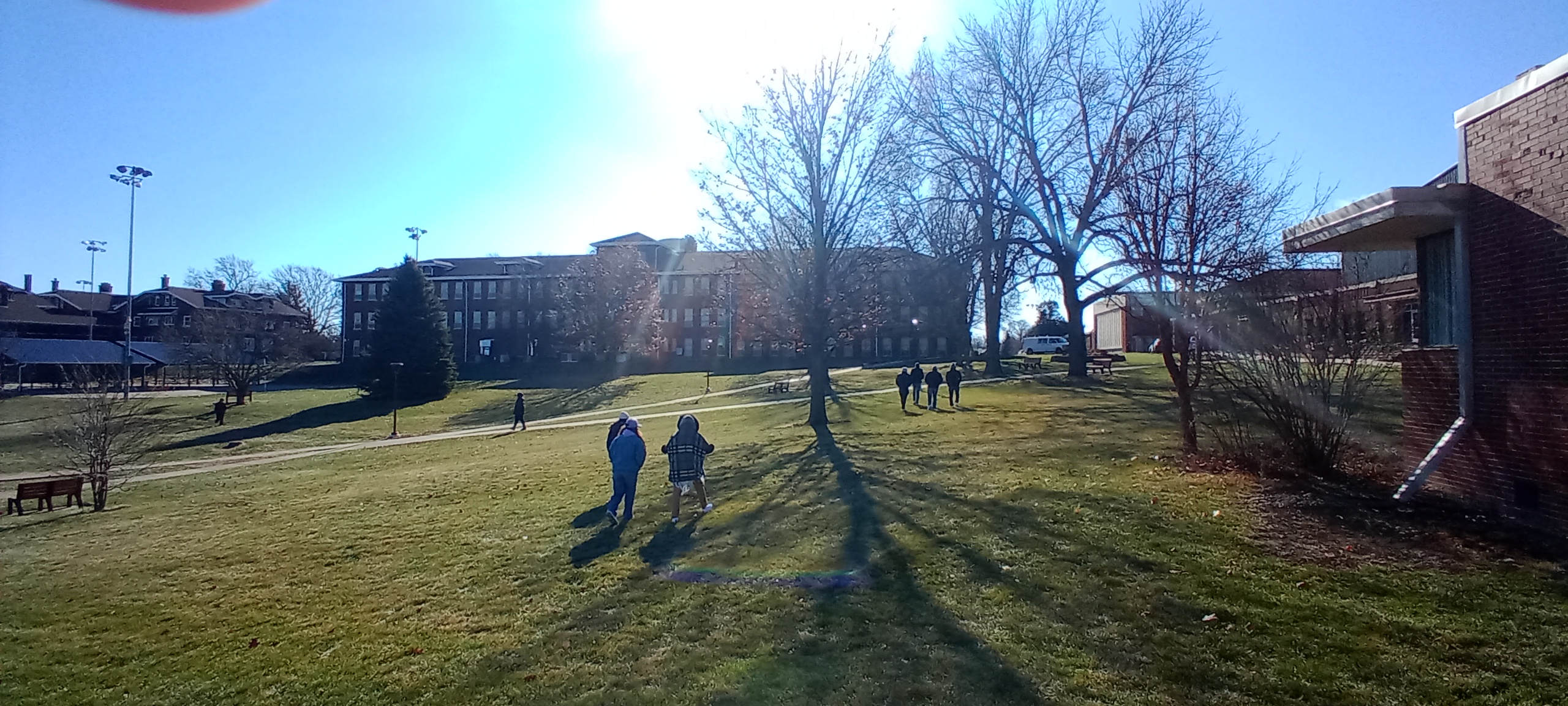
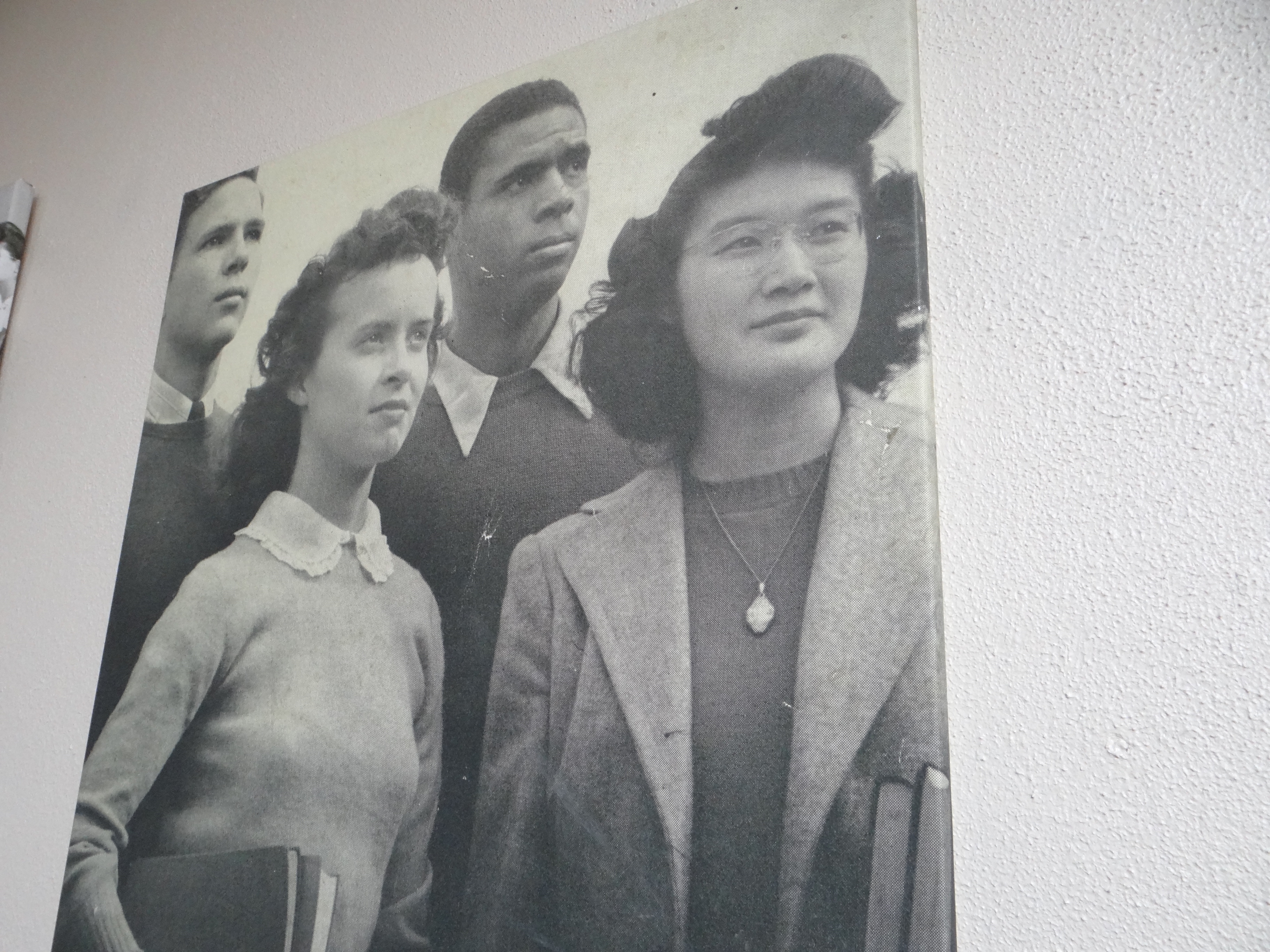

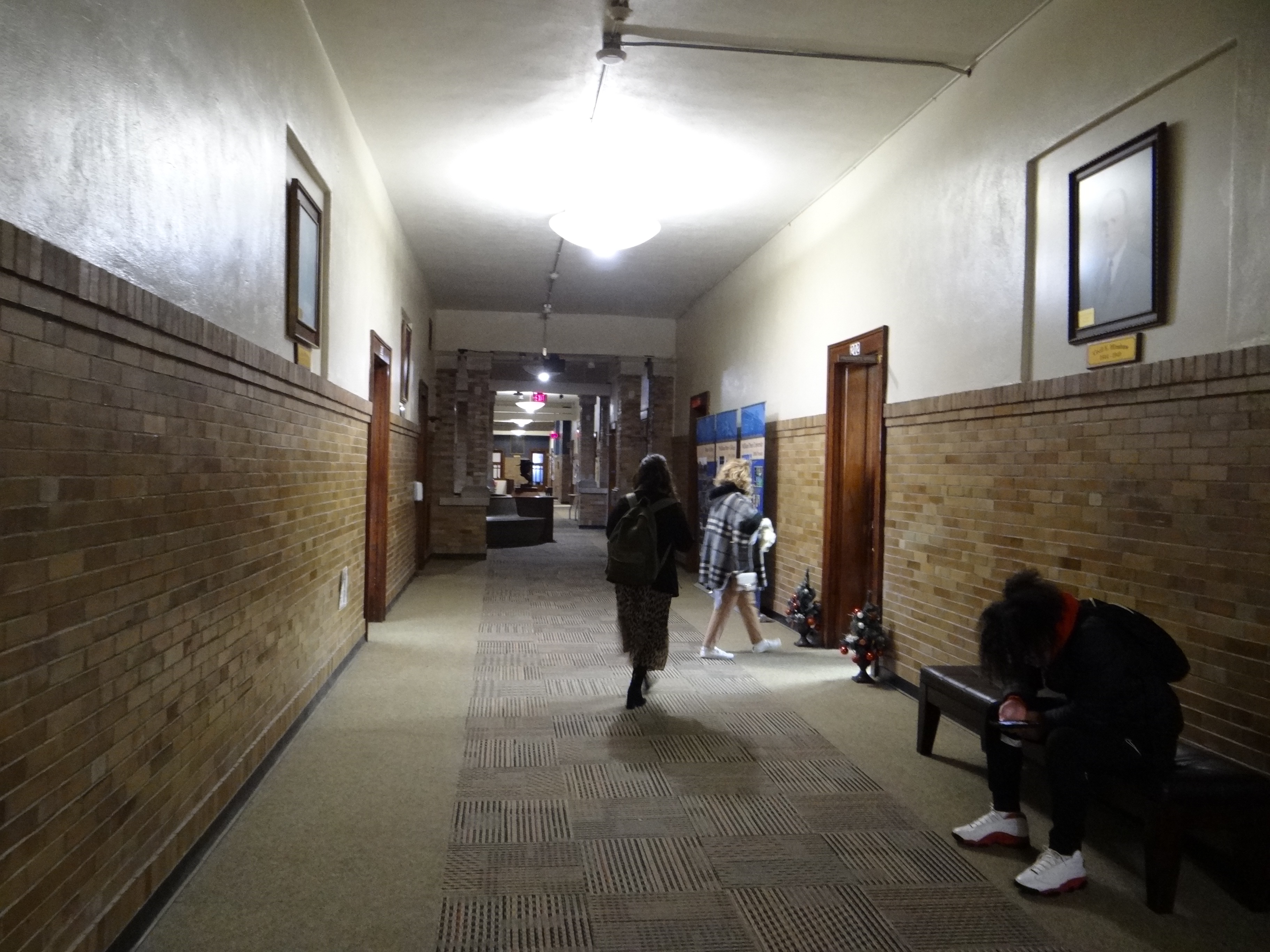
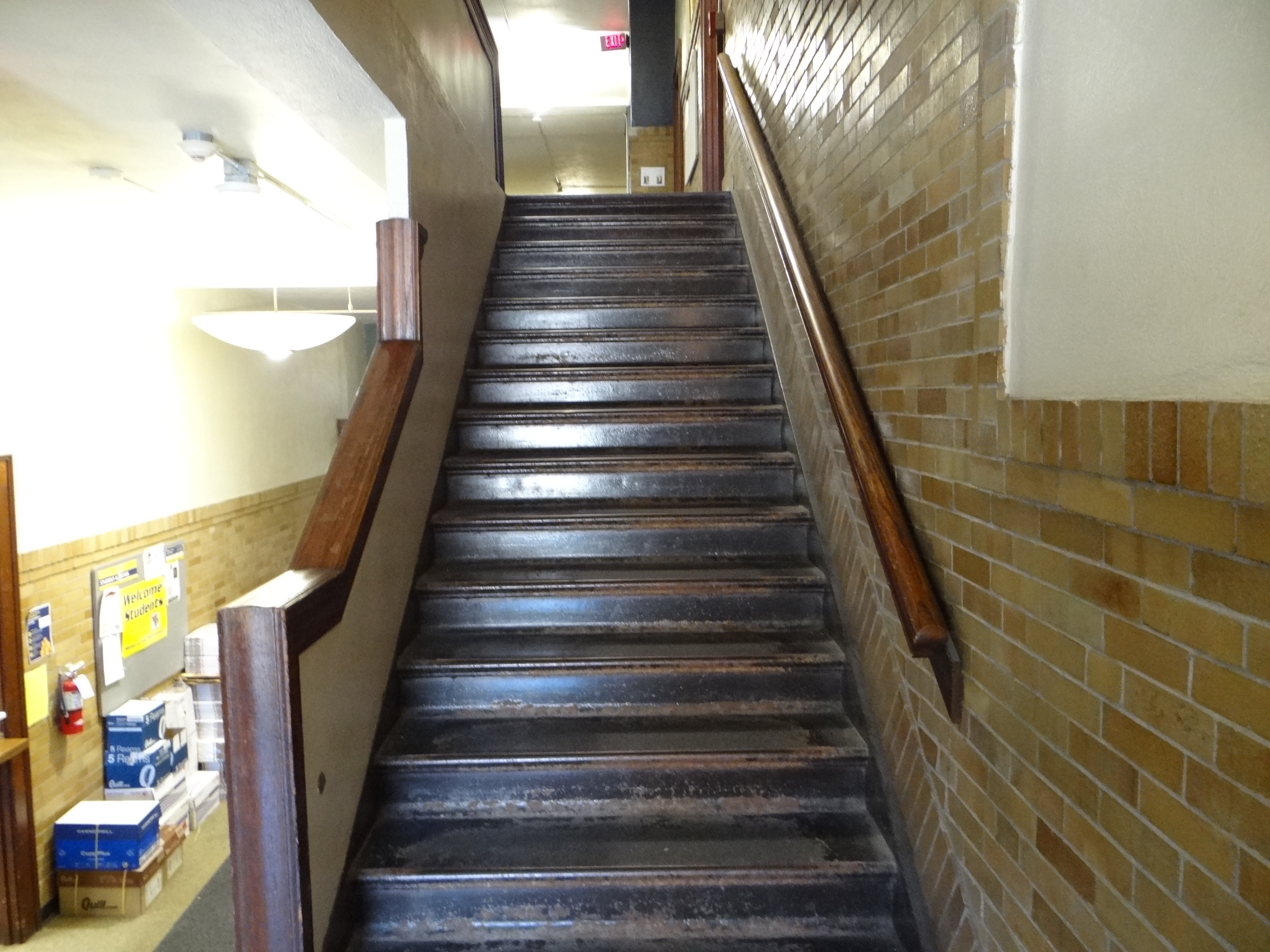
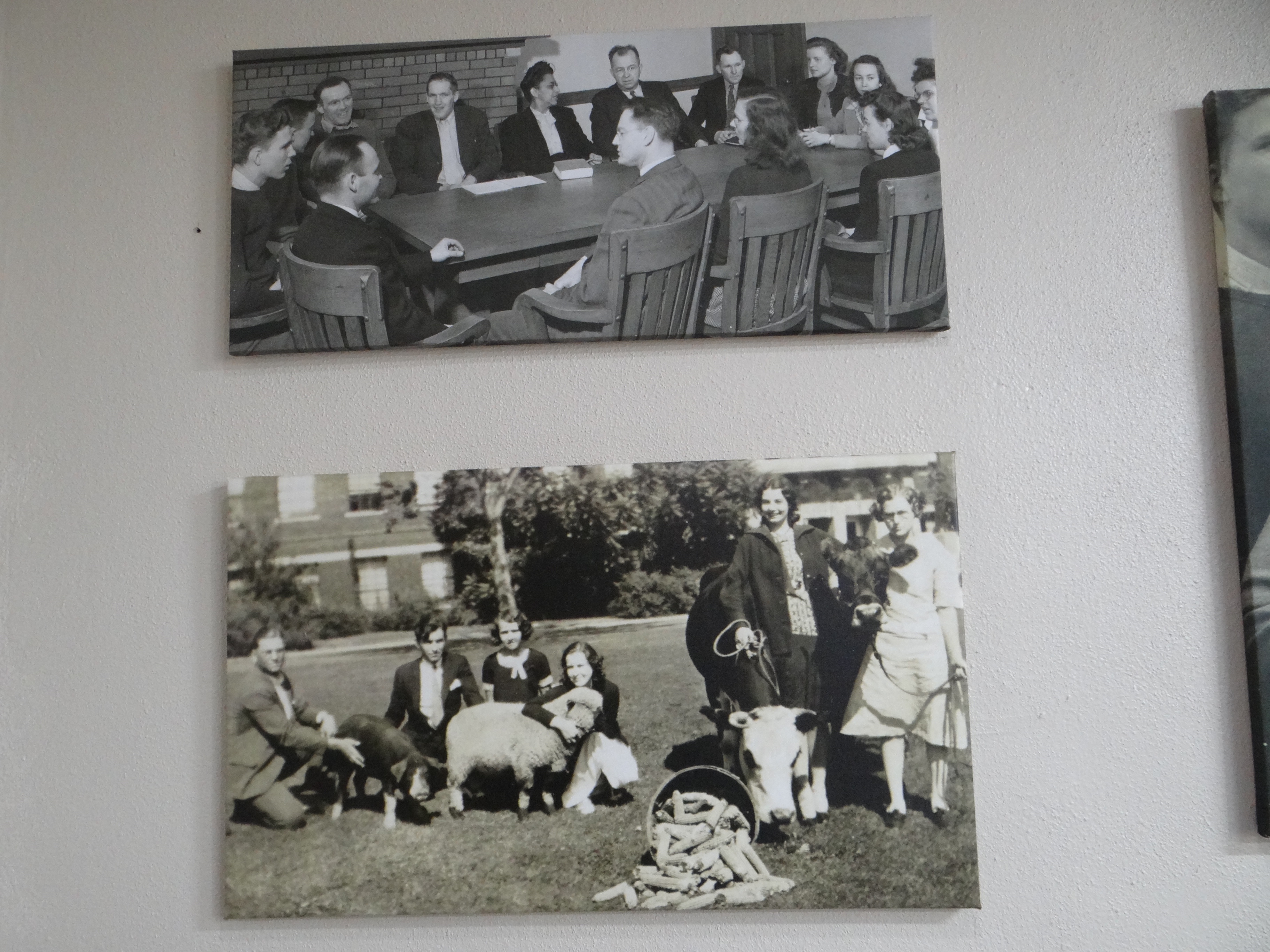



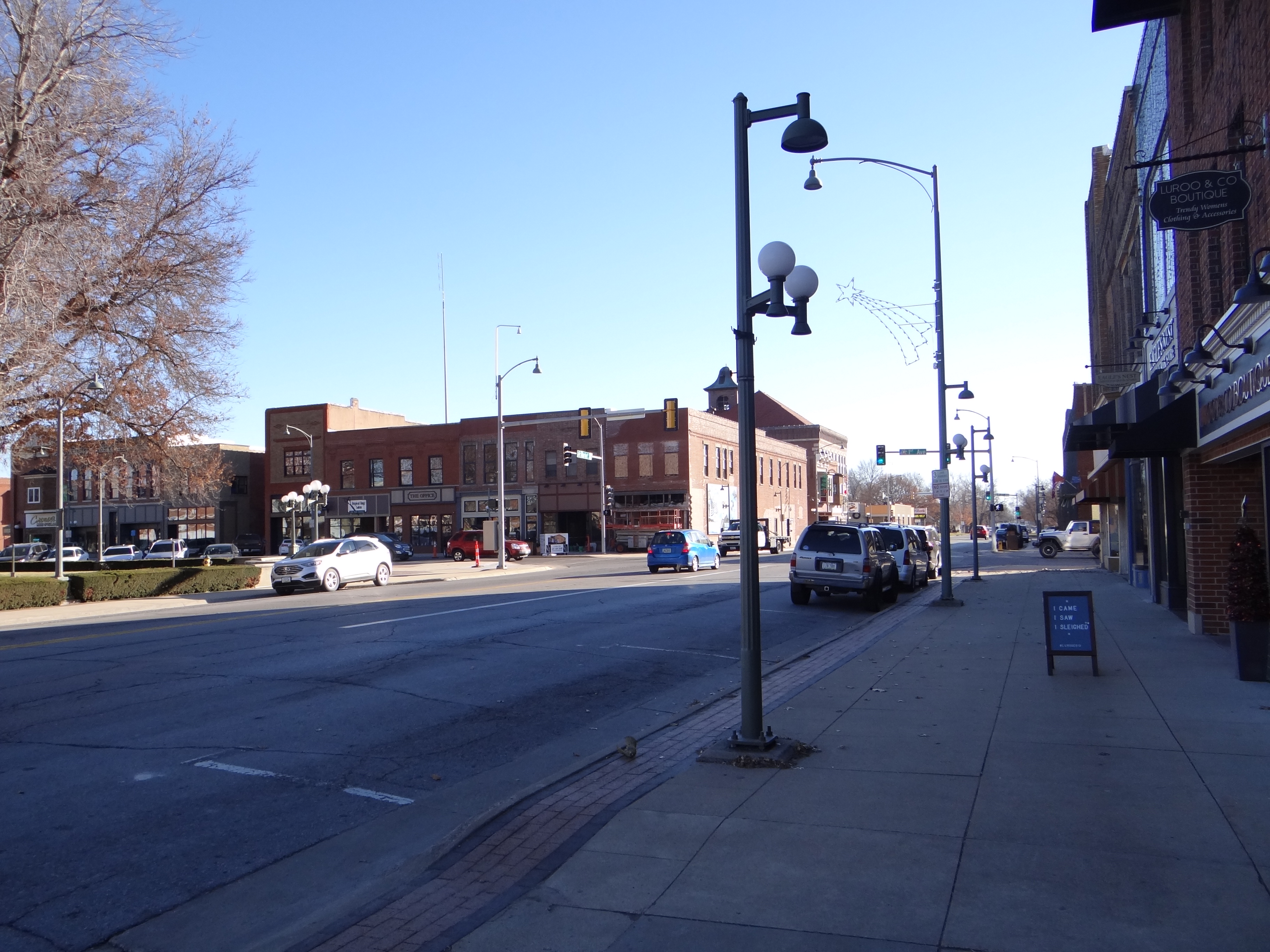

Community involvement extended beyond the campus. One example shared during the visit involved a nearby church offering students access to laundry facilities if needed. This type of cooperation between the university and the local community reflects a level of shared responsibility that is not always visible in higher education settings.
The atmosphere on campus was calm and structured, with an emphasis on inclusivity and mutual respect. While exploring Oskaloosa, the experience of documenting the visit through photography occasionally drew attention, though the town itself presented numerous opportunities for visual storytelling.
The visit also prompted discussion regarding the university’s historical foundation. William Penn University was established in 1873 and was originally named Penn College before later adopting the name of William Penn, a seventeenth-century Quaker leader. Quakerism emerged in the mid-seventeenth century as a Christian movement emphasizing equality, community, and the rejection of rigid social hierarchies. These beliefs often placed Quakers at odds with prevailing social norms of the time.
Today, the university continues to reference these foundational principles in its institutional mission. Diversity, inclusion, and access to education remain central themes in how the university presents itself to prospective students and the broader community.
For individuals considering higher education opportunities beyond their immediate region, gathering information directly through campus visits, institutional resources, and conversations with faculty and students can provide a valuable perspective. Exploring multiple options allows prospective students to make informed decisions based on academic offerings, campus culture, and personal priorities.